The Role of Powerful Visual Storytelling in Modern Art Movements


In recent years, modern art movements have increasingly embraced the power of visual storytelling. This technique has become a vital tool for artists seeking to convey profound messages and evoke emotional responses. By weaving narratives through imagery, artists can connect with audiences on a deeper level, transcending cultural and linguistic barriers.
Visual storytelling within art allows for the expression of complex themes and ideas that might be difficult to articulate through words alone. The use of symbols, colors, and composition provides a multifaceted approach to communication, inviting viewers to explore and interpret the work in their unique way.
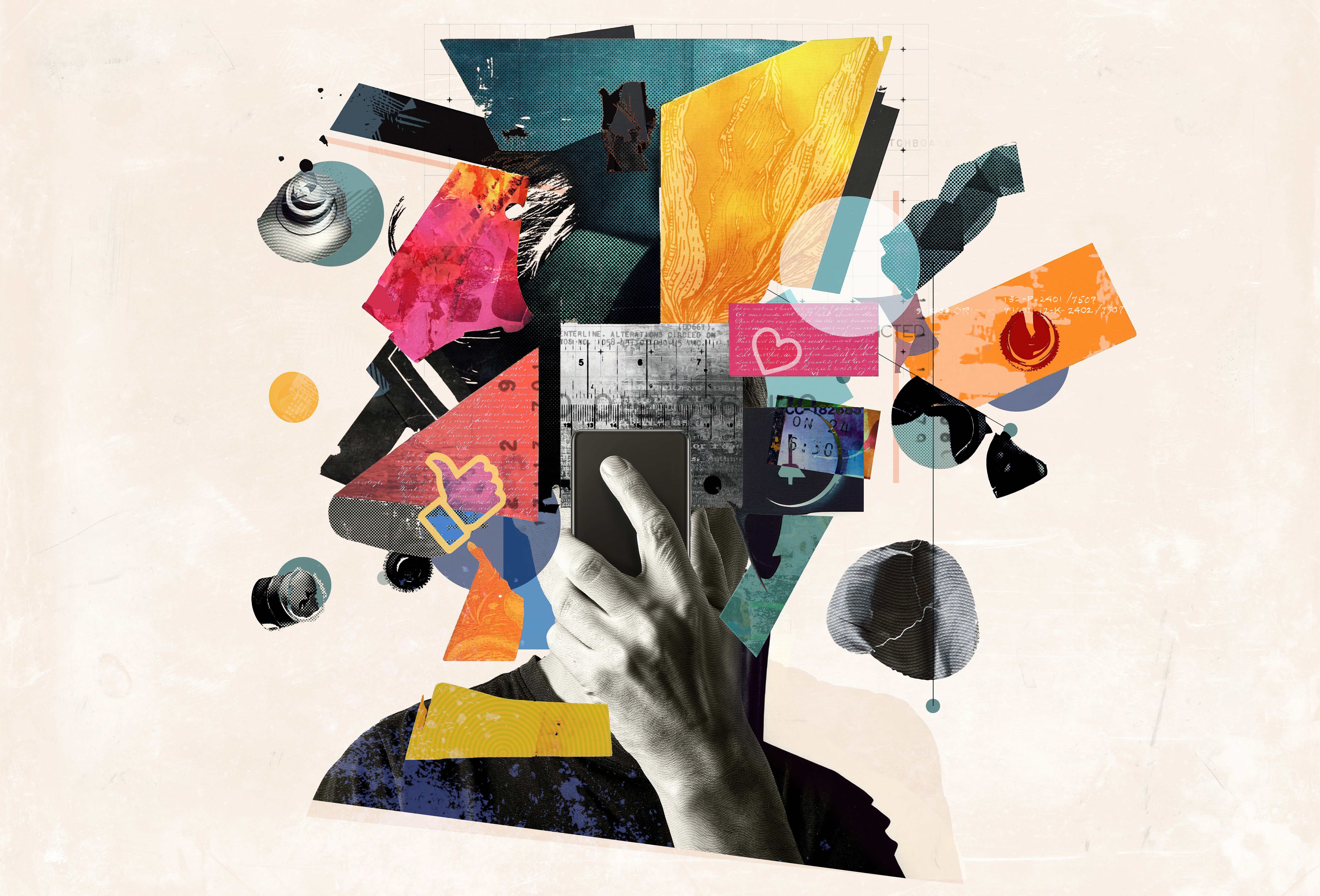
The Evolution of Visual Storytelling in Art
Historically, storytelling has been a fundamental aspect of art. From cave paintings to Renaissance masterpieces, artists have always sought to capture and convey stories. In the modern era, however, the approach has evolved significantly, incorporating new techniques and technologies.
Contemporary artists now utilize digital media, interactive installations, and mixed reality to enhance their storytelling capabilities. These innovations offer fresh avenues for engagement, allowing audiences to become active participants in the narrative experience.
Impact on Contemporary Art Movements
Modern art movements such as Surrealism, Abstract Expressionism, and Street Art have embraced visual storytelling as a core component of their practice. By doing so, they challenge conventional perceptions and invite viewers to question societal norms and personal beliefs.

For instance, street artists often use visual narratives to address political issues and social injustices, turning public spaces into canvases for change. This democratization of art enables broader access and interaction, fostering a community dialogue that might otherwise be stifled in traditional gallery settings.
The Emotional Power of Visual Narratives
One of the most compelling aspects of visual storytelling in modern art is its ability to evoke strong emotional responses. By crafting images that resonate on an emotional level, artists can create a profound connection with their audience.
This emotional engagement is often achieved through the strategic use of color, composition, and symbolism. When viewers feel a personal connection to the artwork, they are more likely to reflect on its themes and messages, leading to a deeper appreciation and understanding.
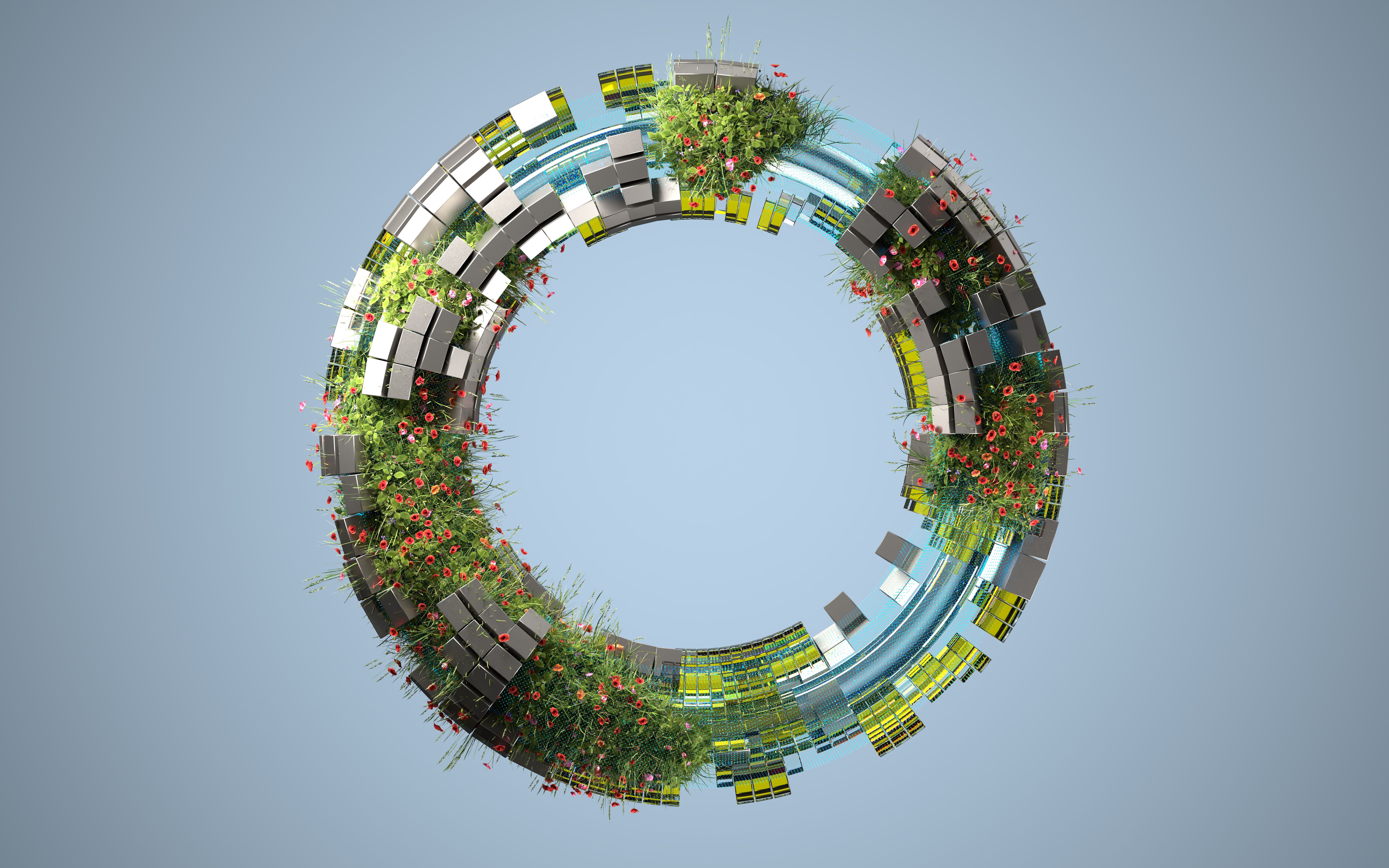
Future Directions in Visual Storytelling
As technology continues to advance, the potential for visual storytelling in art will only grow. Emerging tools such as virtual reality and artificial intelligence offer exciting possibilities for artists to expand their narrative capabilities.
These innovations will enable more immersive and interactive experiences, allowing audiences to step inside the artwork and explore its story from within. The future of visual storytelling in art promises to be as dynamic and transformative as the movements that embrace it.