The Rise of Afrocentric Art Pieces: Influences and Inspirations


Understanding Afrocentric Art
Afrocentric art is a celebration of African culture, history, and identity, expressed through a vibrant and diverse array of artistic forms. This art movement has gained significant traction, capturing the attention of art enthusiasts and collectors worldwide. By focusing on African perspectives, these art pieces challenge traditional narratives and give voice to the rich and complex heritage of the continent.
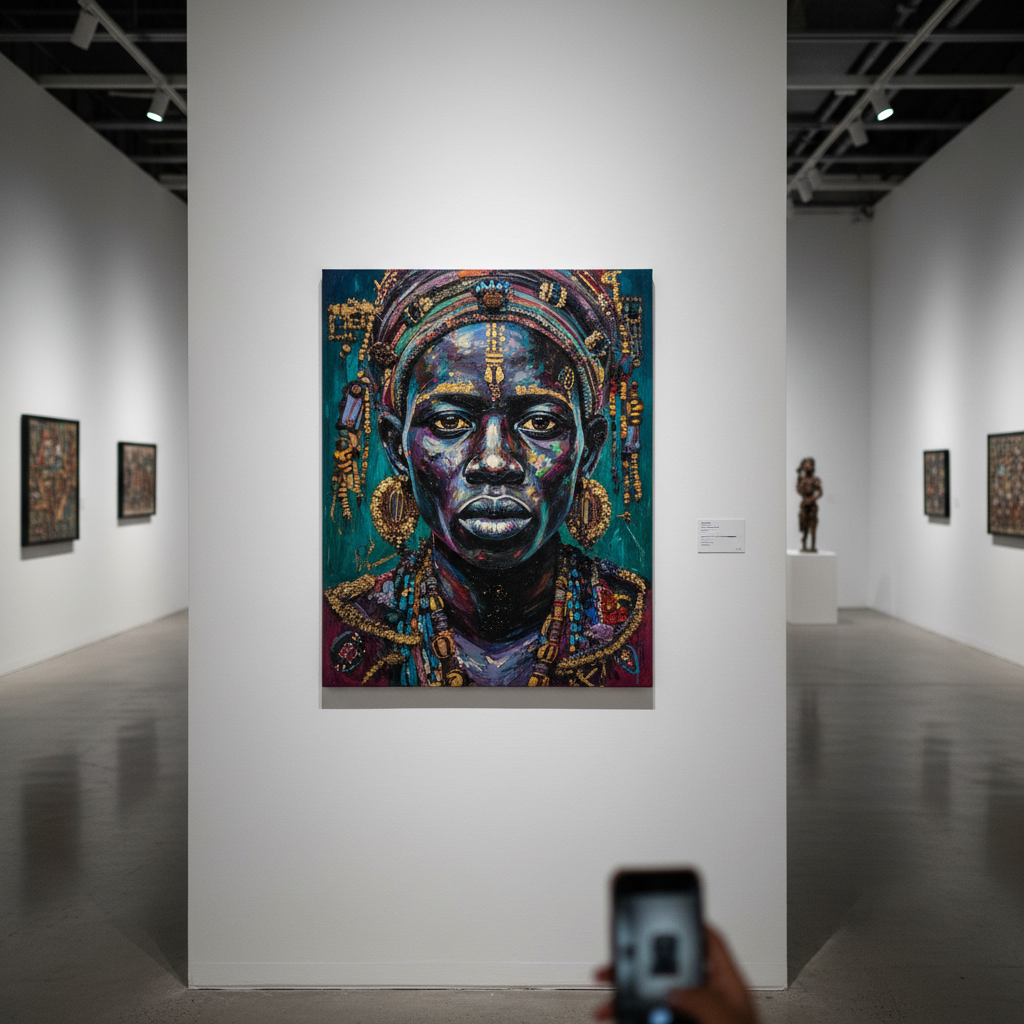
The rise of Afrocentric art can be attributed to a growing desire for cultural representation and pride. Artists are increasingly drawing inspiration from their roots, using traditional techniques and themes to create pieces that resonate on both personal and communal levels. This resurgence reflects a broader cultural shift towards embracing and celebrating African heritage.
Historical Influences
Afrocentric art is deeply rooted in history, drawing from ancient African traditions and symbols. The use of vibrant colors, intricate patterns, and symbolic motifs can be traced back to age-old customs and beliefs. These elements not only serve aesthetic purposes but also convey profound meanings, connecting the past with the present.
Additionally, the impact of the African diaspora has played a crucial role in shaping Afrocentric art. As African communities have settled in various parts of the world, they have blended their cultural elements with local influences, creating unique artistic expressions that reflect their dual heritage.
Contemporary Inspirations
Modern Afrocentric artists continue to draw inspiration from a wide array of sources. From music and fashion to social and political movements, these artists are constantly finding new ways to express their identity and experiences. The fusion of contemporary themes with traditional elements creates dynamic and thought-provoking works of art.
Moreover, the digital age has opened up new avenues for Afrocentric artists to showcase their work. Social media platforms and online galleries have made it easier for artists to reach global audiences, fostering a greater appreciation and understanding of Afrocentric art.
The Impact on Global Art
The influence of Afrocentric art extends beyond its immediate cultural sphere, impacting the global art scene. Collectors and galleries are increasingly recognizing the value and significance of these pieces, leading to greater visibility and opportunities for African artists.

This growing interest has sparked collaborations between Afrocentric artists and international art institutions, resulting in exhibitions and projects that highlight the diversity and richness of African art. Such collaborations not only benefit the artists but also enrich the global art landscape, encouraging cross-cultural dialogue and understanding.
The Future of Afrocentric Art
As Afrocentric art continues to thrive, it is poised to play an even greater role in shaping cultural narratives. Artists are using their platforms to address important issues such as identity, social justice, and environmental concerns, making Afrocentric art not only a celebration of heritage but also a powerful tool for change.
Looking ahead, the future of Afrocentric art appears bright, with new generations of artists and audiences eager to explore and embrace the rich tapestry of African culture. As this movement grows, it will undoubtedly continue to inspire, challenge, and transform the world of art.