The Future of Art: Trends in Interactive Exhibits


The Evolution of Art Through Interaction
Art has always been a reflection of society, constantly evolving with the times. In recent years, we've witnessed a remarkable transformation in how art is experienced, moving beyond passive observation to dynamic interaction. This shift is largely driven by the rise of interactive exhibits, which invite viewers to become participants, blurring the lines between creator and audience.
Interactive art is not just a trend; it represents a significant change in how we engage with creativity. These exhibits harness technology and innovative design to create immersive environments that captivate the senses and stimulate the mind. As we look to the future, several trends are emerging that promise to shape the landscape of interactive art.

The Role of Technology in Art
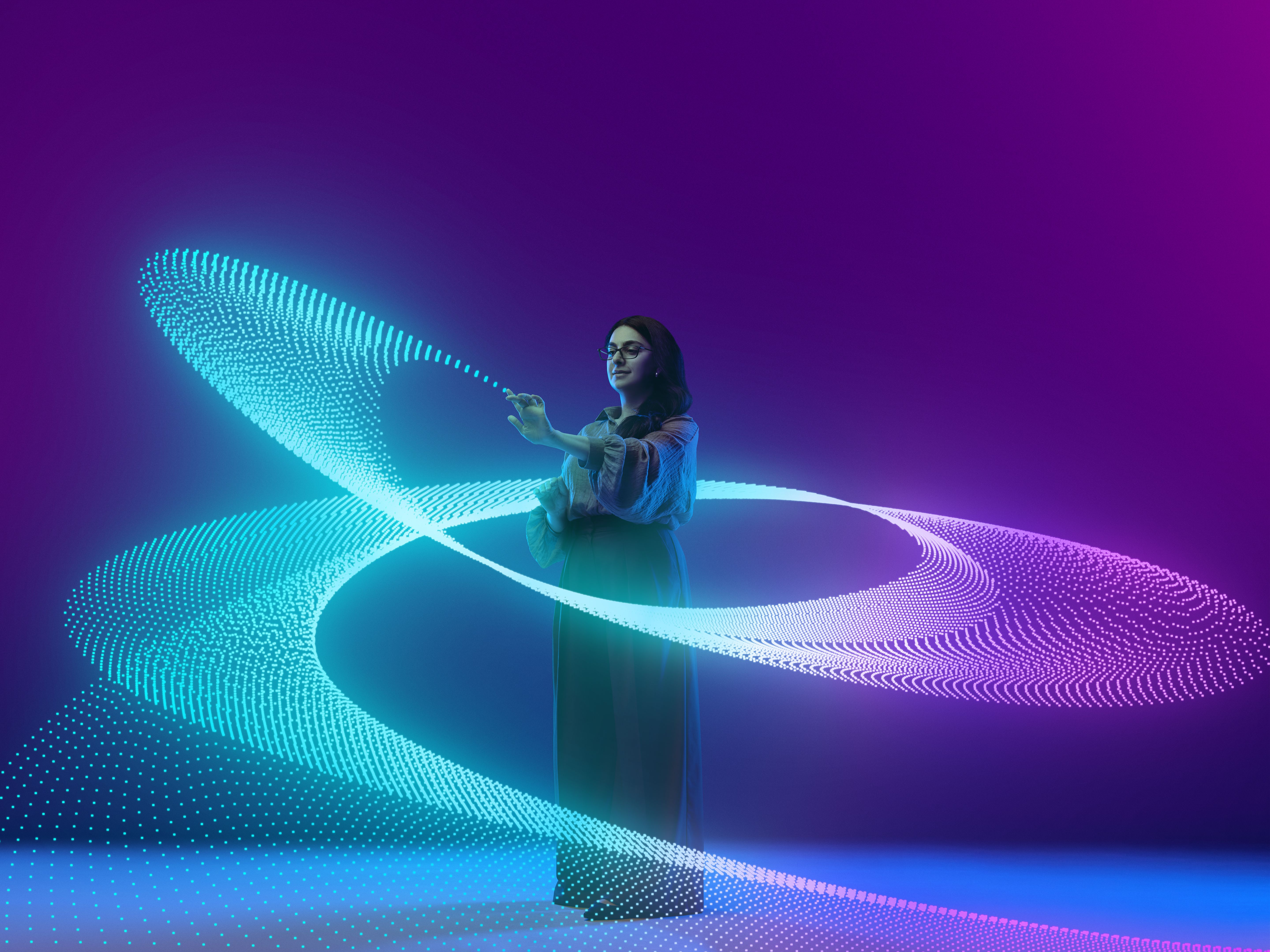
Technology plays a crucial role in the development of interactive exhibits. From virtual reality to augmented reality, these tools allow artists to construct experiences that were previously unimaginable. Visitors can now step into alternate realities, interact with digital elements, and even influence the artwork itself.
One of the most exciting aspects of technology in art is its ability to democratize access. Artists from diverse backgrounds can create and share their work with a global audience, fostering a more inclusive art community. As technology continues to advance, we can expect even more innovative and accessible experiences.

Immersive Storytelling
Interactive exhibits are redefining storytelling in art. By engaging multiple senses, these installations can convey narratives in a more profound and personal way. Visitors are no longer mere spectators; they become part of the story, with the power to influence its direction and outcome.
This type of storytelling is particularly effective in conveying complex themes and emotions, allowing audiences to explore subjects in depth. Artists can utilize sound, light, and tactile elements to create rich, multi-layered experiences that resonate on a deeper level.
Collaborative Creativity
Another exciting trend in interactive art is the emphasis on collaboration. Many exhibits encourage visitors to contribute their creativity, turning the artwork into a living, evolving entity. This approach not only enriches the experience but also fosters a sense of community and shared ownership.
Collaborative art challenges traditional notions of authorship and control, opening new avenues for exploration and experimentation. It invites audiences to connect with each other and the artwork in meaningful ways, creating a dialogue that extends beyond the exhibit itself.
The Future of Interactive Exhibits
As we look to the future, the potential for interactive art is boundless. With continued advancements in technology and a growing appreciation for experiential creativity, interactive exhibits will only become more prevalent and sophisticated.
Future trends may include more personalized experiences, where exhibits adapt to individual preferences and behaviors. We may also see greater integration with other forms of media, such as film, music, and literature, creating truly interdisciplinary experiences.
Ultimately, the future of art lies in its ability to connect, inspire, and transform. Interactive exhibits are at the forefront of this movement, challenging us to rethink our relationship with art and each other.