Interactive Art Exhibits: Engaging with Art Beyond the Canvas


In recent years, the art world has witnessed a fascinating shift, moving beyond traditional canvases and sculptures to embrace more interactive and immersive experiences. Interactive art exhibits have become a dynamic way for audiences to engage with art, offering a unique blend of technology, creativity, and participation.

The Rise of Interactive Art
Interactive art is not a new concept, but its popularity has soared with advancements in technology. This form of art invites viewers to become active participants rather than passive observers. By incorporating elements like motion sensors, virtual reality, and augmented reality, artists create environments that respond to visitors' movements and actions.
One key advantage of interactive art is its ability to create personalized experiences. Each visitor can have a unique interaction, making the art feel more personal and engaging. This approach has broadened the appeal of art exhibits, attracting a diverse audience eager to explore and connect with art in new ways.
Technological Innovations
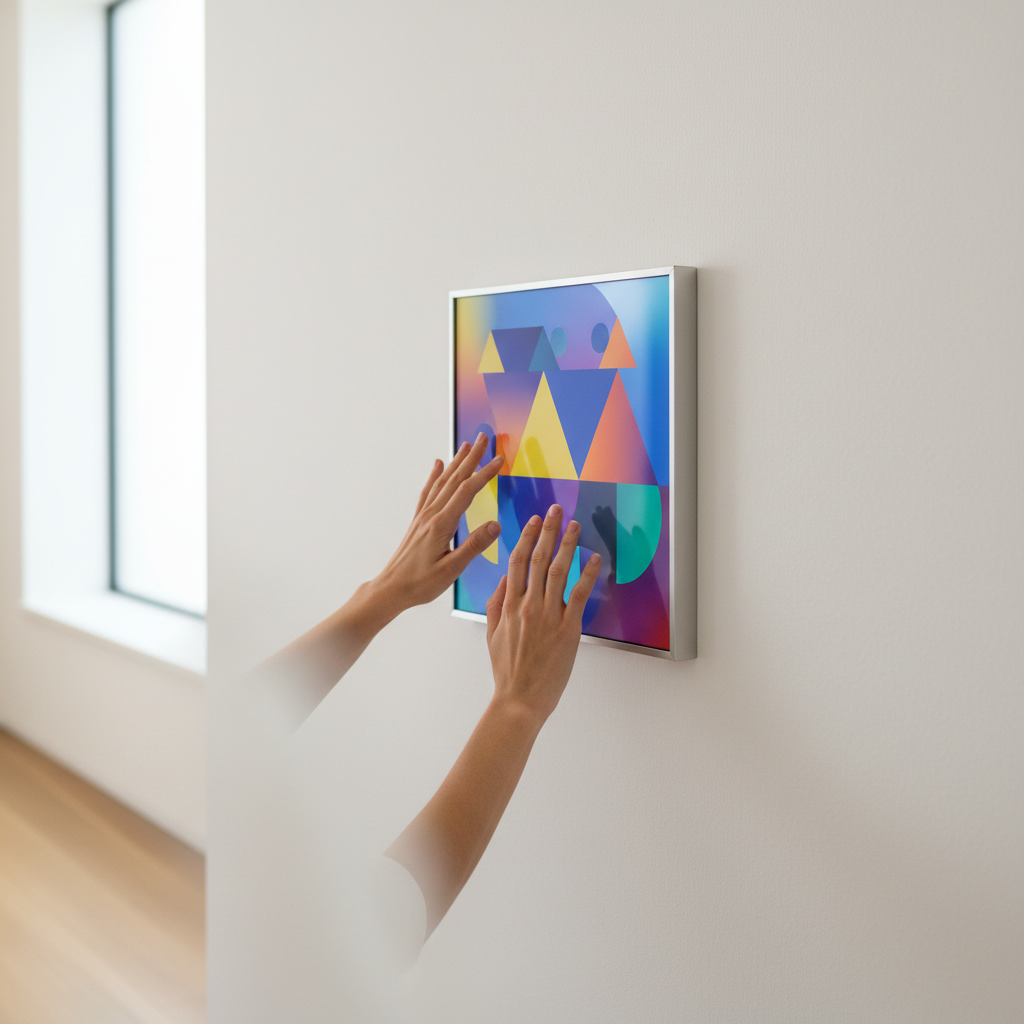
Technology plays a crucial role in bringing interactive art exhibits to life. From touch-sensitive installations to immersive digital projections, the possibilities are endless. Virtual reality (VR) allows participants to step inside a painting, while augmented reality (AR) layers digital elements onto the physical world, enhancing the viewer's experience.

These innovations not only enhance the artistic experience but also provide artists with new tools for creativity. By integrating technology with traditional art forms, creators can push boundaries and challenge perceptions, resulting in groundbreaking works that captivate audiences.
The Impact on Audience Engagement
Interactive art exhibits foster a deeper level of engagement by encouraging visitors to become co-creators. This participatory approach makes art more accessible and relatable, breaking down barriers that often exist in traditional art settings. Visitors are more likely to feel a connection to the artwork when they are part of its creation or transformation.
This engagement also extends to educational aspects, as interactive exhibits provide a hands-on learning experience. Museums and galleries can leverage this to educate visitors about art history, techniques, and cultural contexts in a more engaging and memorable way.
Challenges and Considerations
While interactive art exhibits offer numerous benefits, they also present unique challenges. Technical issues, such as software glitches or hardware malfunctions, can disrupt the experience. Additionally, creating an interactive exhibit requires a significant investment of time and resources, both in terms of development and maintenance.
Curators and artists must carefully consider the balance between technology and artistic expression. The technology should enhance rather than overshadow the artwork, ensuring that the artistic message remains clear and impactful.
The Future of Art Exhibits
As technology continues to evolve, the possibilities for interactive art are limitless. Future exhibits may incorporate artificial intelligence, allowing art to adapt and change in real-time based on audience interactions. This could lead to even more dynamic and personalized experiences.
Interactive art exhibits represent a significant evolution in the way we perceive and engage with art. By breaking down traditional boundaries and inviting active participation, they offer a compelling and inclusive approach to experiencing creativity. As artists and technologists continue to collaborate, the future of art promises to be more interactive and exciting than ever before.