How to Create a Compelling Art Narrative Through Visual Storytelling


Understanding Visual Storytelling
Visual storytelling is a powerful tool for artists looking to convey a deeper meaning through their work. By creating a compelling art narrative, artists can engage viewers on an emotional level, inviting them to explore and interpret the story behind the piece. This approach not only enhances the aesthetic appeal but also enriches the viewer's experience.
The Elements of a Compelling Art Narrative
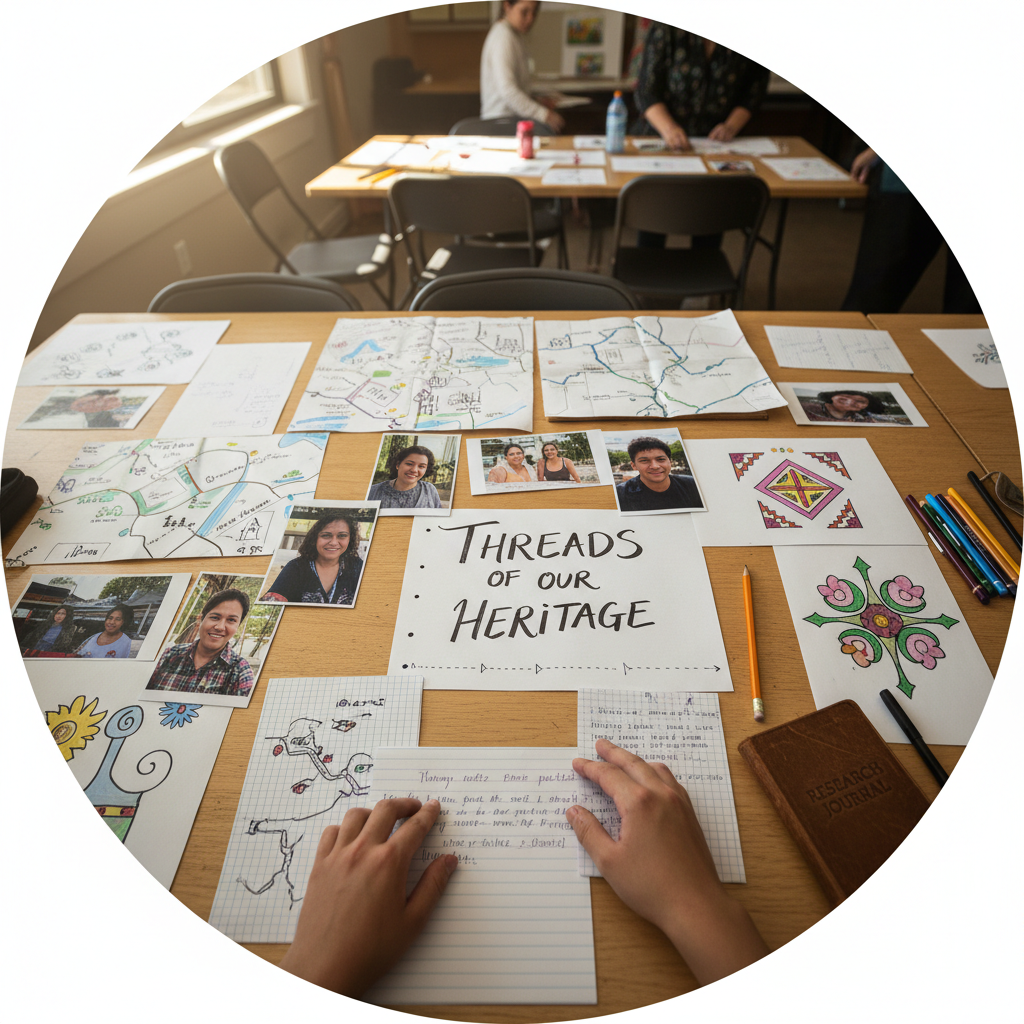
To craft an engaging art narrative, start by understanding the key elements that make a story compelling. These include a clear theme, dynamic characters, and a vivid setting. Each element should contribute to the overall message or emotion you wish to convey. By thoughtfully integrating these components, you create a cohesive narrative that resonates with your audience.
Theme is the central idea or message of your artwork. It's the underlying concept that guides the narrative. Whether it's love, loss, or transformation, a well-defined theme helps anchor the story and gives it purpose.
Using Characters to Drive the Narrative
Characters in art don't always have to be human. They can be any entity—animals, objects, or abstract forms—that drive the story forward. Well-developed characters add depth and intrigue, allowing viewers to connect and empathize with the narrative. Consider how the characters' expressions, poses, and interactions contribute to the overall story.
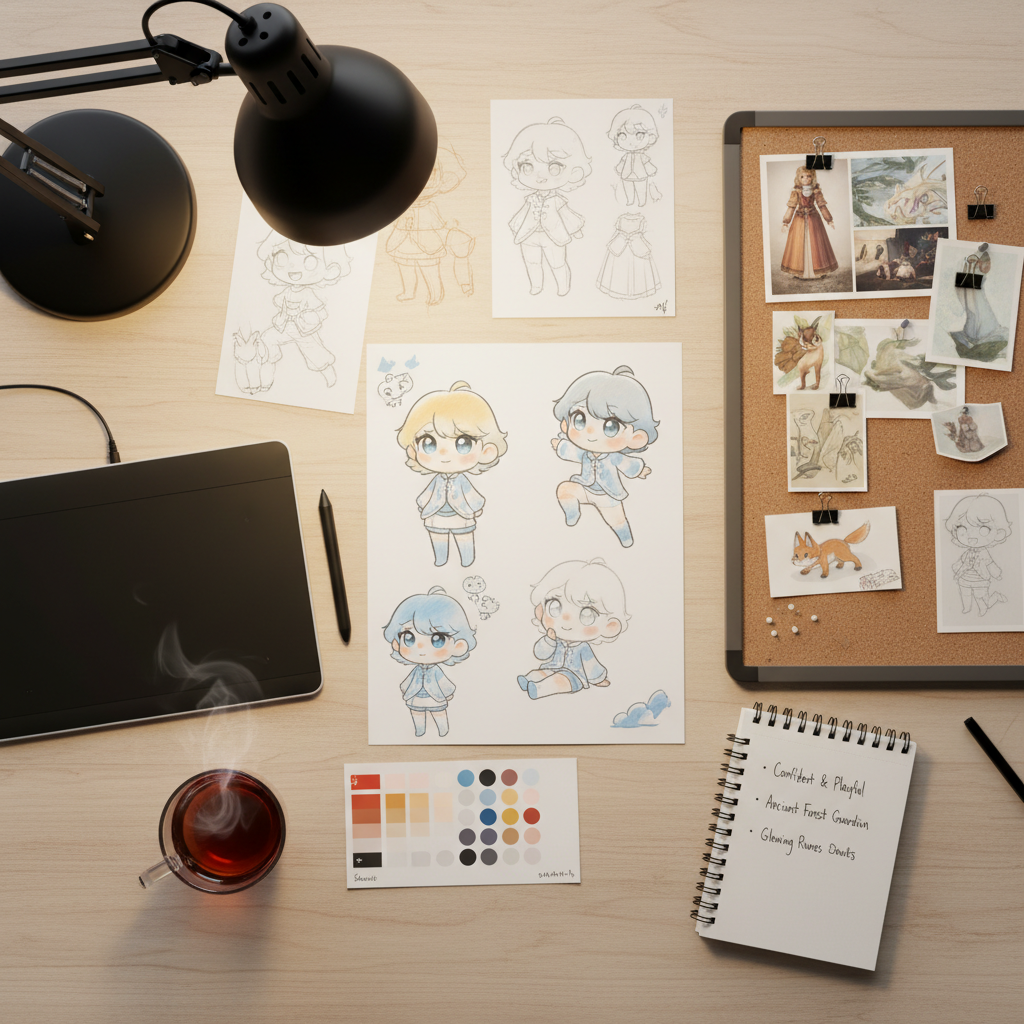
To create engaging characters, think about their backstory and motivation. What are they striving for? What challenges do they face? By providing these details, you add layers to your narrative, making it more relatable and engaging.
The Role of Setting in Visual Storytelling
The setting of your artwork provides context and enriches the narrative. It can be a physical location or an abstract environment that reflects the theme and mood. A well-crafted setting draws viewers into the world you've created, making the story more immersive.
Consider how elements like color, light, and texture contribute to the setting. Use these tools to enhance the atmosphere and support the narrative. A dark, shadowy setting might suggest mystery or danger, while a bright, open space could evoke freedom or hope.

Techniques for Enhancing Your Art Narrative
There are numerous techniques artists can use to enhance their visual storytelling. Experiment with perspective to guide the viewer's eye and emphasize certain elements of the story. Use contrast and juxtaposition to highlight conflicts or themes within the narrative.
- Symbolism: Incorporate symbols to add layers of meaning.
- Color Theory: Use color to evoke emotions and convey messages.
- Composition: Arrange elements to lead the viewer's journey through the artwork.
By applying these techniques thoughtfully, you can create a more dynamic and engaging narrative that captivates and inspires.