Exploring Afrocentric Art Pieces: A Journey Through Culture and Creativity


Afrocentric art is a vibrant and dynamic expression of the rich cultural heritage and creativity of the African continent and its diaspora. It offers a unique lens through which we can explore stories, traditions, and perspectives that have shaped communities across the globe. This blog post takes you on a journey through the fascinating world of Afrocentric art, highlighting its significance and the diverse forms it takes.
The Essence of Afrocentric Art
At its core, Afrocentric art celebrates the African experience. It encompasses a wide range of styles, from traditional crafts to contemporary works, each telling a story of resilience, identity, and beauty. Artists draw inspiration from historical events, everyday life, and the natural world to create pieces that resonate with both personal and collective experiences.
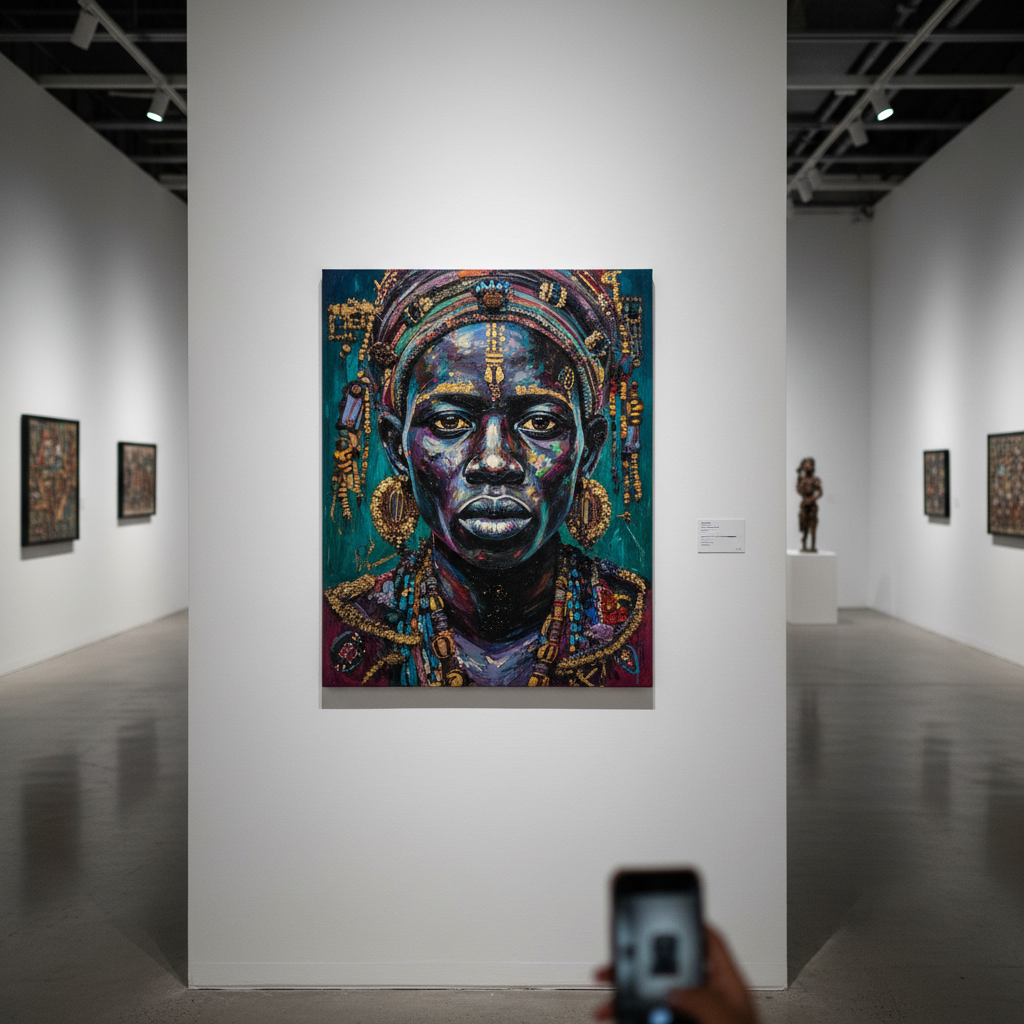
One of the most compelling aspects of Afrocentric art is its ability to convey powerful messages. Whether it's a striking sculpture or a vibrant painting, these pieces often address themes of empowerment, social justice, and cultural pride. Through their work, artists invite viewers to engage with important conversations about heritage and identity.
Traditional Roots and Modern Interpretations
Traditional African art forms, such as masks, textiles, and sculptures, have long been celebrated for their intricate designs and symbolic meanings. These pieces often play a significant role in ceremonies and rituals, serving as a bridge between the physical and spiritual worlds.
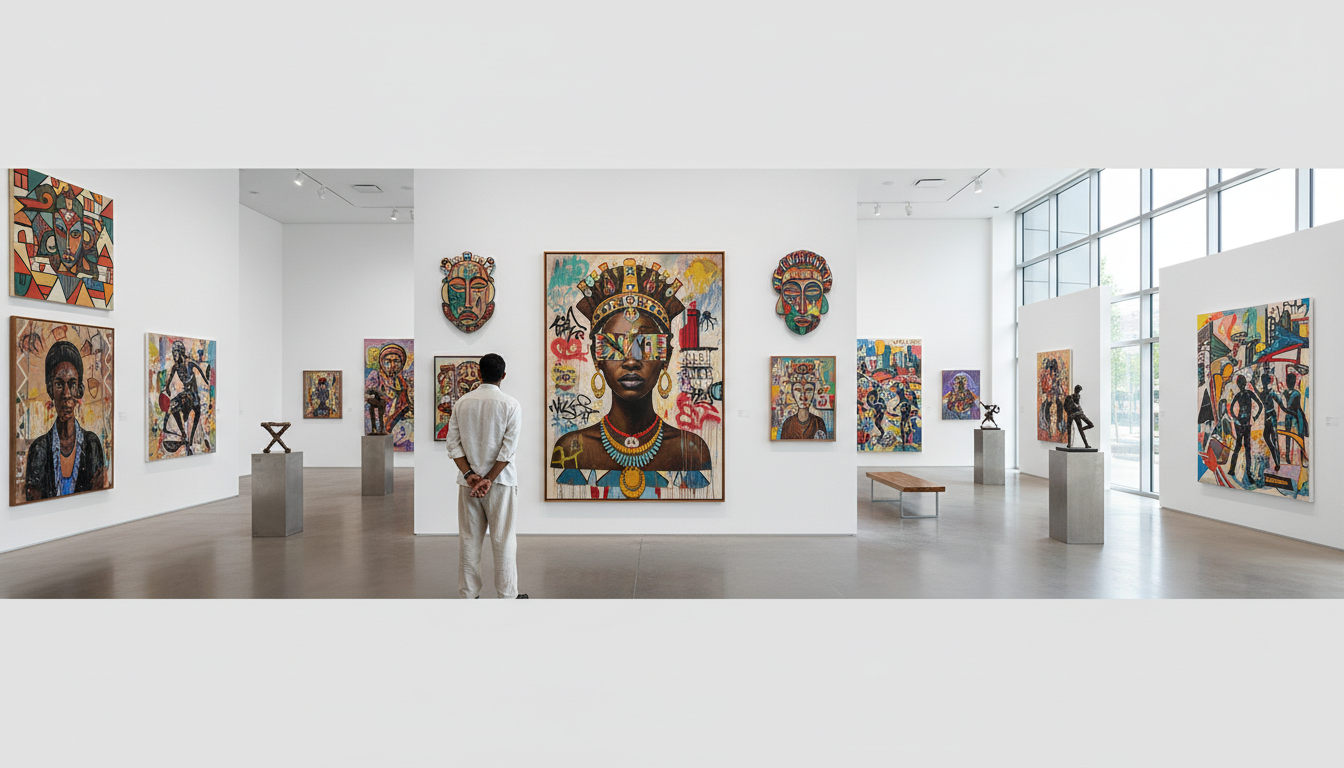
In contrast, contemporary Afrocentric art often merges these traditional elements with modern techniques and concepts. Artists like Yinka Shonibare and Wangechi Mutu are renowned for their innovative approaches, using multimedia installations and mixed media to explore complex themes of globalization, diaspora, and race.
Textiles and Patterns
Textiles hold a special place in Afrocentric art, often featuring bold patterns and vibrant colors. Fabrics like Kente cloth, Ankara, and Mudcloth are not only visually striking but also carry deep cultural significance. Each pattern tells a story, representing social status, history, and community.
- Kente Cloth: Originating from Ghana, known for its bright colors and geometric patterns.
- Ankara: A popular fabric in West Africa, featuring colorful prints and motifs.
- Mudcloth: Traditionally made in Mali, characterized by its earthy tones and symbolic designs.
Sculpture and Symbolism
Sculpture is another prominent form of Afrocentric art, with artists using materials like wood, metal, and clay to create pieces that are both aesthetically pleasing and deeply symbolic. These sculptures often depict figures from African folklore, historical leaders, or abstract concepts, each imbued with layers of meaning.
Through their work, sculptors invite viewers to reflect on themes of identity, power, and spirituality. The tactile nature of sculpture allows for a physical connection between the art and the observer, creating an immersive experience that resonates on multiple levels.
The Global Impact of Afrocentric Art
Afrocentric art has made a significant impact on the global art scene, influencing artists and audiences worldwide. Exhibitions and galleries dedicated to African art continue to grow, showcasing the diverse talents and perspectives of artists from across the continent and the diaspora.
Additionally, the rise of social media has allowed Afrocentric artists to reach a broader audience, sharing their work and stories with the world. This increased visibility has not only elevated individual artists but has also fostered a greater appreciation for the rich cultural tapestry that Afrocentric art represents.
In conclusion, exploring Afrocentric art is a journey through a landscape of culture, history, and creativity. By engaging with these works, we gain insight into the diverse experiences and perspectives that have shaped African and diasporic communities. Whether through traditional forms or contemporary expressions, Afrocentric art continues to inspire and connect people across the globe.