Creating Art Spaces: How Alternative Venues in Texas are Transforming the Scene


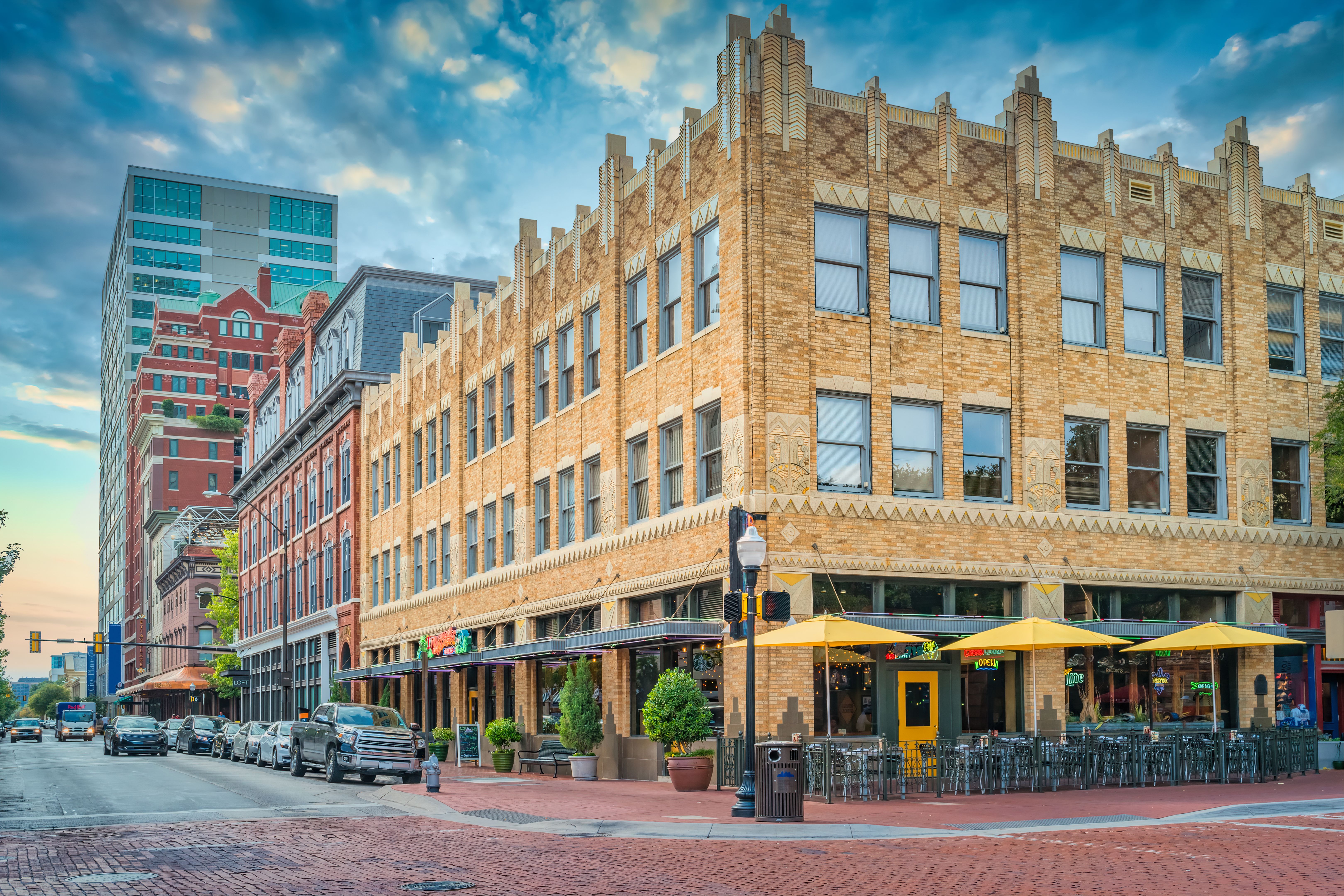
In recent years, the Texas art scene has experienced a transformation, driven by the emergence of alternative venues that challenge traditional gallery spaces. These new environments are redefining how art is presented and experienced, offering artists and audiences fresh perspectives and opportunities.
The Rise of Non-Traditional Spaces
Traditional galleries have long been the cornerstone of the art world, but artists are increasingly seeking non-traditional spaces to showcase their work. This shift is fueled by a desire to reach broader audiences and to explore innovative curatorial practices. From warehouses to cafes, unconventional venues are providing unique settings that inspire creativity and engagement.
Many artists find that these alternative spaces allow for more freedom and experimentation. Without the constraints of traditional galleries, they can explore new themes and formats, often resulting in more dynamic and interactive exhibitions.
Community Engagement and Accessibility
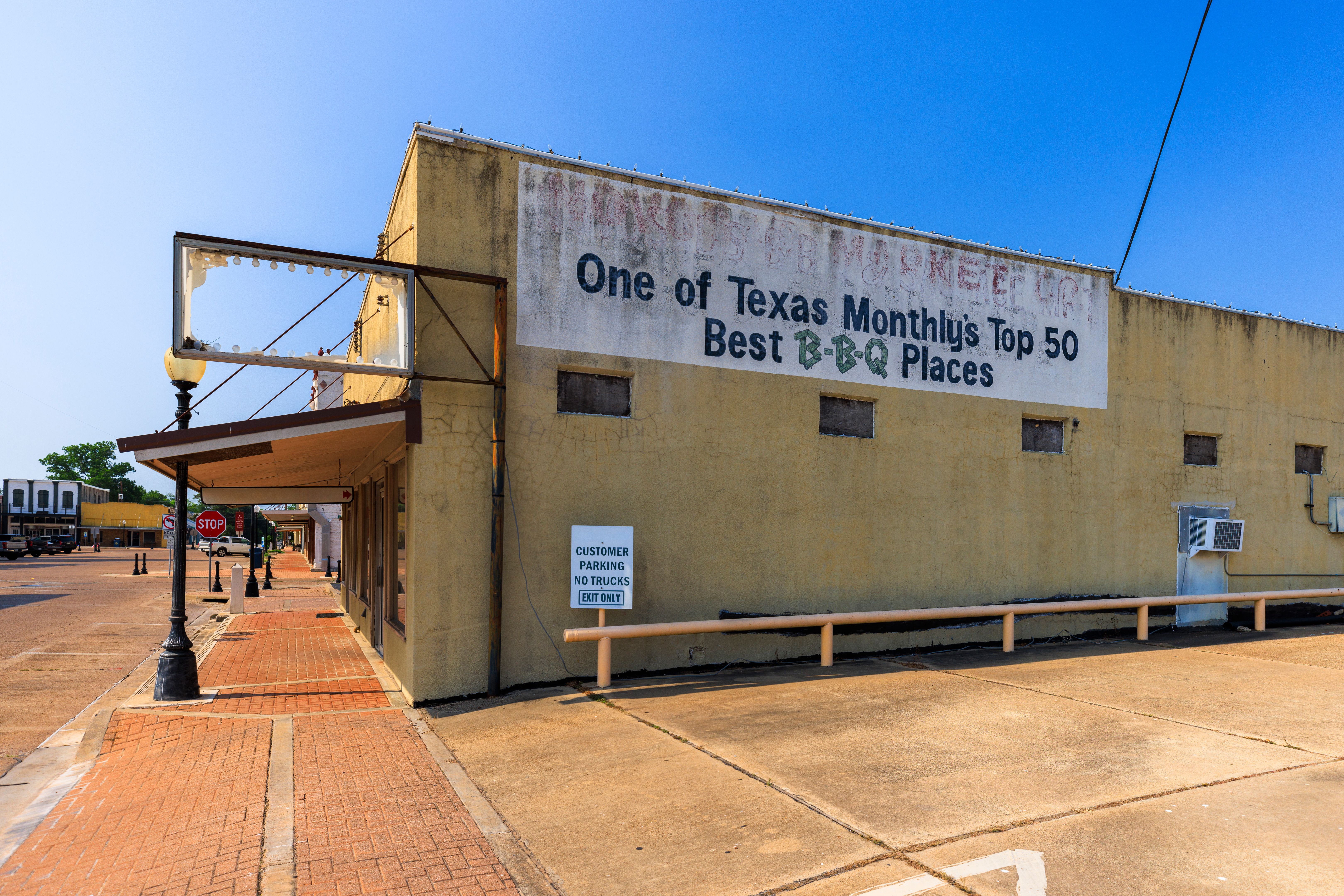
One of the most significant benefits of alternative art spaces is their ability to foster community engagement. By situating art in everyday locations, such as community centers or outdoor parks, these venues make art more accessible to the public. This accessibility encourages new audiences to engage with art, breaking down barriers that might exist in more formal settings.
In Texas, many alternative venues focus on inclusivity and diversity, offering a platform for underrepresented artists and voices. This emphasis on community and accessibility helps to cultivate a rich and varied cultural landscape that reflects the state's diverse population.
Collaborative Opportunities
Alternative art spaces often encourage collaboration between artists, curators, and the community. These venues provide a fertile ground for partnerships that might not occur within the confines of traditional galleries. Collaborative projects can lead to innovative exhibitions that draw on multiple perspectives and disciplines.
Such collaborations are particularly prevalent in Texas, where the art scene is known for its vibrant and eclectic nature. Artists and curators are continually pushing boundaries, resulting in a dynamic and ever-evolving artistic environment.
The Impact on the Art Market
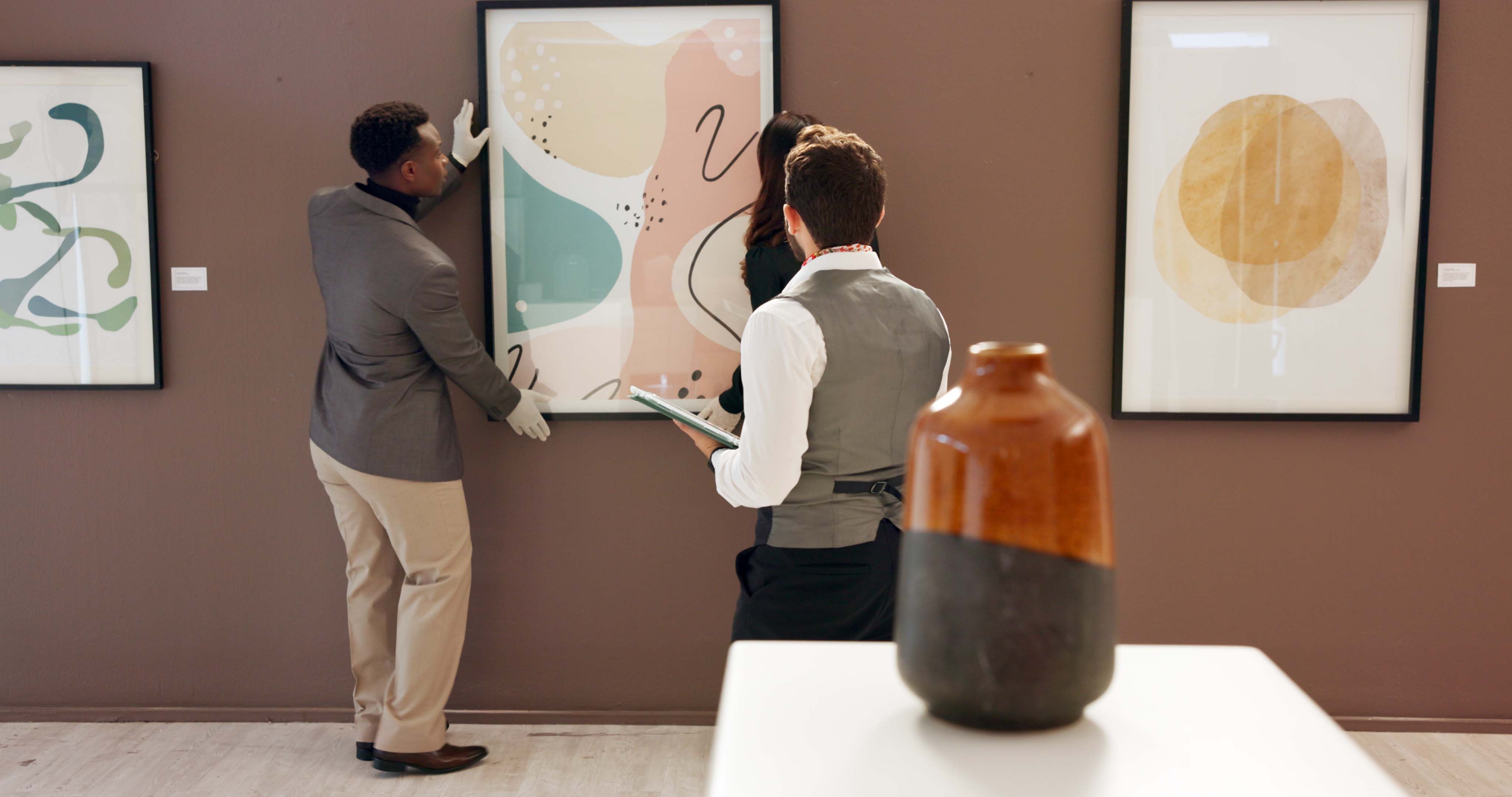
The growing popularity of alternative art spaces is also influencing the art market. These venues often operate outside the commercial gallery system, allowing for more experimental and avant-garde works to be presented. This shift is attracting collectors who are interested in discovering new and emerging talents.
For artists, exhibiting in alternative spaces can lead to increased exposure and opportunities for growth. As these venues gain recognition, they contribute to the overall vibrancy and diversity of the Texas art market, offering new pathways for artistic success.
A Bright Future for Texas Art
As alternative art spaces continue to flourish, the Texas art scene is poised for a promising future. These venues are not only transforming how art is experienced but also fostering a culture of innovation and inclusivity. By embracing non-traditional environments, Texas is setting a new standard for how art can be integrated into everyday life.
For artists and audiences alike, the rise of alternative art spaces presents exciting opportunities to engage with art in meaningful and unexpected ways. As these spaces continue to evolve, they will undoubtedly play a crucial role in shaping the future of art in Texas and beyond.