Creating an Interactive Art Experience at Home: A DIY Guide


Introduction to Interactive Art
Creating an interactive art experience at home is a unique way to engage with creativity and bring art to life. Whether you're a seasoned artist or a curious beginner, setting up an interactive art installation can be both fun and rewarding.

Interactive art goes beyond traditional static pieces, inviting viewers to become part of the creation. This type of art can be a fantastic way to explore new dimensions of creativity and expression in your home.
Gathering Your Materials
Before you start, gather the necessary materials. Depending on your project, you may need:
- Canvas and paints
- Sensors or motion detectors
- Lighting equipment
- Computer or tablet
- Speakers for sound effects
Think about what you want your art to do. Do you want it to light up, make sounds, or respond to touch? This will guide your material choices.
Designing Your Art Experience
Once you have your materials, it's time to design the experience. Start with a concept or theme. What message or emotion do you want to convey? How will viewers interact with your piece?

Sketch your ideas and plan the layout. Consider how viewers will move around and engage with the installation. This planning stage is crucial to ensuring a seamless interactive experience.
Setting Up the Installation
With your design in hand, begin setting up your installation. Arrange your materials according to your plan, and don't hesitate to make adjustments as needed. Sometimes, ideas evolve as you work on them.
If your piece involves technology, ensure everything is connected properly. Test the sensors, lights, and sound components to make sure they function as intended.

Inviting Participation
Interactive art thrives on viewer participation. Encourage friends and family to engage with your creation. Provide instructions if necessary, but also allow room for spontaneous interaction.
Consider documenting these interactions through photos or videos. This not only helps you refine your work but also allows you to share the experience with a wider audience.
Refining and Evolving Your Art
After observing how people interact with your art, you might find areas for improvement. Don't be afraid to make changes or add new elements to enhance the experience.
Interactive art is dynamic, and part of its charm is that it can evolve over time. Embrace this flexibility and let your creativity flow.
Sharing Your Creation
Once you're satisfied with your interactive art experience, consider sharing it beyond your home. You can showcase it on social media, enter local art exhibits, or even invite virtual audiences through online platforms.
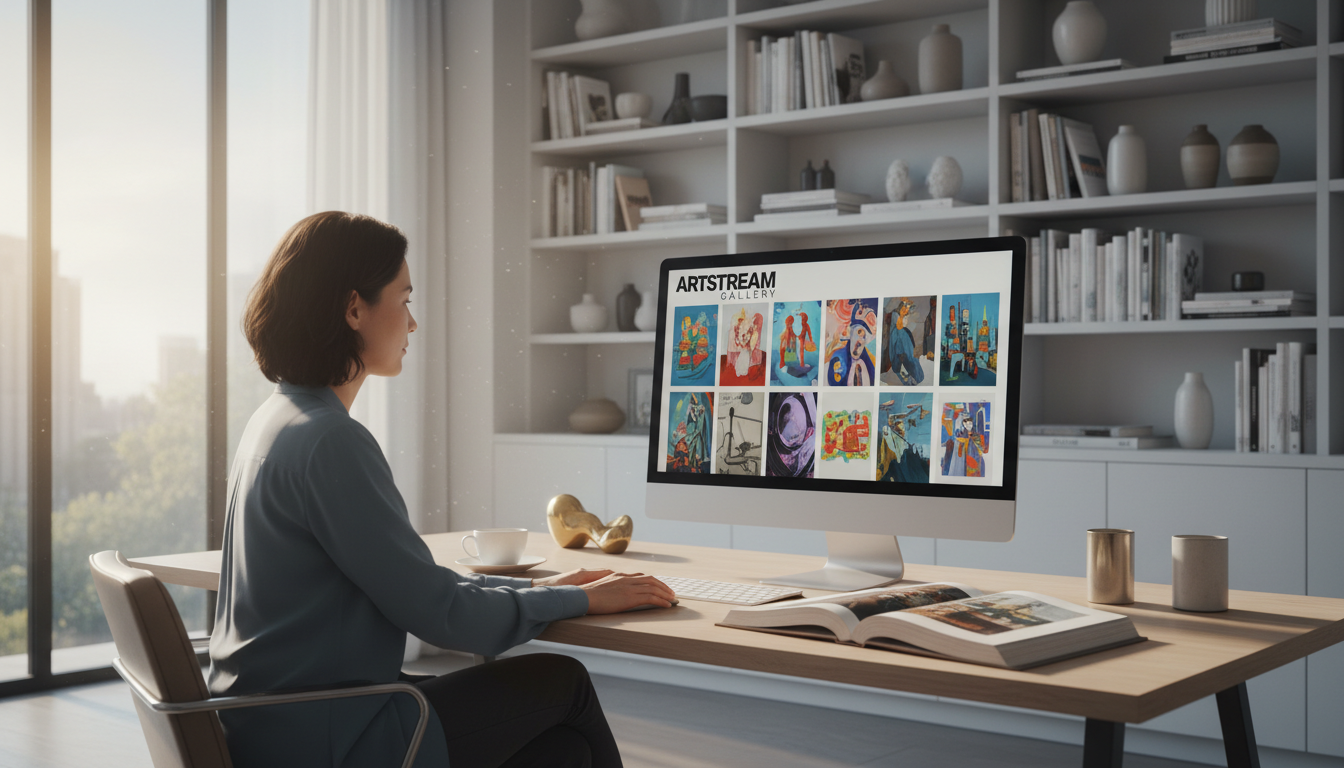
Sharing your work not only amplifies your artistic voice but also inspires others to explore interactive art themselves.
Conclusion
Creating an interactive art experience at home is an enriching journey that merges creativity with technology. By designing, setting up, and sharing your art, you invite others into a world of imagination and innovation.
Let this guide be your starting point. Embrace the process, and enjoy the endless possibilities of interactive art.